Cart
0
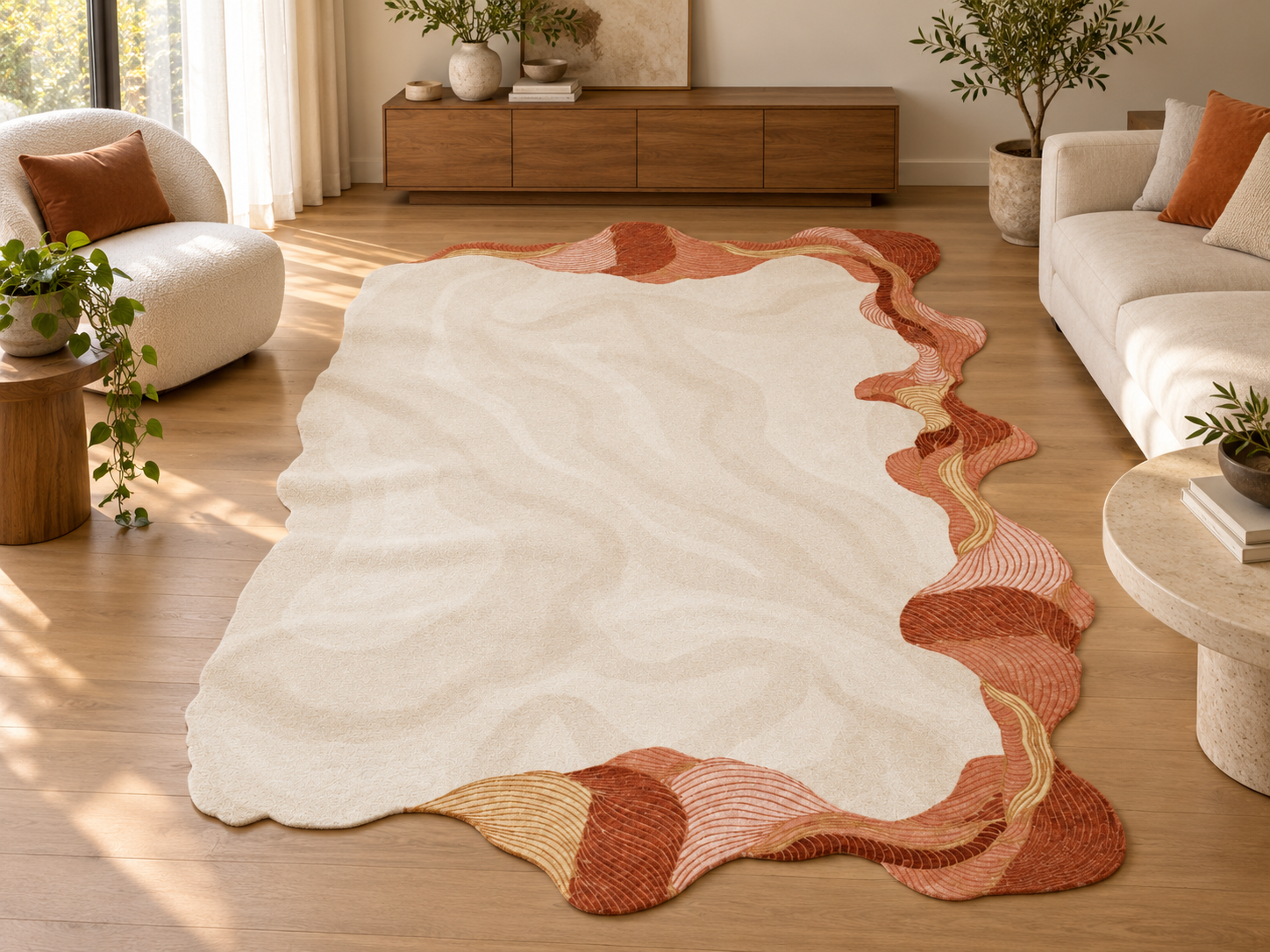

Receiving a beautiful new rug is exciting, but after unpacking it, you may notice a few folds, creases, waves, or curled corners. This is very common, particularly when a rug has been carefully rolled or folded for safe transportation.
At Saara Rugs, many of our rugs are handcrafted using premium materials and traditional techniques. Because handmade rugs are flexible textile products, they may temporarily retain the shape created during packaging and shipping. In most cases, these marks are not permanent and gradually disappear once the rug is laid flat and allowed to settle.
Here are some simple and safe ways to help your new rug regain its natural shape.
Why Does a New Rug Have Folds or Creases?
Rugs are usually rolled or carefully folded to make transportation safer and more manageable. During shipping, the rug may remain packed for several days, causing temporary pressure marks or bends in the fibers.
The appearance of these creases can vary depending on the rug's material, pile height, construction, size, and packaging method.
Once unpacked, the fibers gradually relax and the rug begins returning to its original shape.
1. Unroll the Rug and Give It Time
The simplest method is often the most effective.
As soon as you receive your rug, carefully remove the packaging and lay the rug completely flat on a clean and dry floor. Smooth the surface gently with your hands and make sure there are no objects underneath it.
Minor folds and waves often begin disappearing naturally within the first few days.
For handmade rugs, allowing the fibers to settle naturally is usually preferable to immediately applying heat or pressure.

2. Back-Roll the Rug
If your rug has curled edges because it was rolled during transportation, gently rolling it in the opposite direction can help.
Start from the curled end and loosely roll the rug in the reverse direction. Leave it this way for a short period before laying it flat again.
Avoid rolling it too tightly or applying excessive force.
This technique can help reduce tension created during packaging and encourage the rug to lie flatter.

3. Place Weight on Curled Corners
Corners are often the last areas of a rug to settle.
Place a clean, flat and reasonably heavy object—such as a stack of books or a piece of furniture—over the curled area.
Leave the weight in place for several hours or overnight and check the rug afterward.
Always ensure that anything placed on the rug is clean and does not have sharp edges that could damage the fibers.

4. Use Your Furniture to Help Flatten the Rug
Once you have decided where your rug will be positioned, furniture can naturally help it settle.
For example, placing the front legs of a sofa, armchair, coffee table or bed over suitable areas of the rug can provide gentle and consistent pressure.
This is particularly useful for larger living-room and bedroom rugs.
Avoid placing very heavy furniture directly over a sharp fold immediately after unpacking. Allow the rug to relax first.

5. Keep the Rug in a Warm, Dry Room
Normal room warmth can help rug fibers become more flexible.
Place your rug in a dry, well-ventilated room and allow it to settle naturally.
If you choose to use natural sunlight, keep the exposure limited. Strong or prolonged direct sunlight may cause some rug colors and fibers to fade over time.
Indirect warmth is generally a safer option.

6. Use Gentle Heat Only When Necessary
For a particularly stubborn crease, very gentle warmth may help relax the fibers. However, this should be approached carefully, especially with handmade rugs.
A hairdryer may be used from a safe distance on a low setting, keeping it constantly moving rather than concentrating heat in one place.
Avoid overheating the rug.
For premium materials such as wool, viscose, silk or wool-silk blends, we recommend contacting the Saara Rugs team before applying heat.
Avoid Direct Ironing
Never place a hot iron directly on the surface of your rug.
Excessive heat may damage the pile, backing, fibers or colors. If professional heat treatment is required, it is better to seek advice from a rug-care specialist.

7. Use a Rug Pad
A good-quality rug pad can help your rug remain stable and flat while also providing additional cushioning.
It can also help:
- Reduce unnecessary movement
- Protect the rug from everyday wear
- Improve comfort underfoot
- Provide additional grip
- Help maintain the rug's placement
Choose a rug pad that is suitable for both your rug construction and flooring type.

How Long Does It Take for Rug Creases to Disappear?
There is no exact timeframe because every rug is different.
Light creases may disappear within a few days, while deeper folds can take longer. Larger or thicker handmade rugs may require additional settling time.
The rug's fiber, construction, pile height and duration of transportation can all influence how quickly it becomes completely flat.
Patience is often the best solution.
What Should You Avoid?
When trying to flatten a rug, avoid aggressively pulling or stretching it. Do not soak the rug with water, apply excessive heat, iron directly over the pile, or use harsh chemicals to soften the fibers.
These methods may permanently affect the structure or appearance of a handmade rug.
Caring for Your Saara Rug
Every Saara Rugs piece is designed to bring craftsmanship, comfort and character into your interior.
Minor folds or curled edges after delivery are generally a temporary result of packaging and transportation. With gentle care and a little time, your rug should gradually settle into its intended shape.
If you are unsure about how to handle a persistent fold or crease, especially on a delicate handmade rug, our team is always happy to guide you according to the rug's specific material and construction.
Need Help With Your Rug?
For product care, installation or maintenance assistance, contact the Saara Rugs team and share photographs of the affected area. We can recommend the most appropriate care method for your rug.
Explore handcrafted rugs at Saara Rugs and discover pieces designed to bring timeless craftsmanship into your home.